
Transition Planning and Estate Management in 'Beyond Estate' by Sabira Arefin
Overview
"Beyond Estate: The Complete Guide to End-of-Life Preparation and Transition Planning" is a poignant and comprehensive book by Sabira Arefin. This work delves into the often avoided yet crucial subject of end-of-life planning. Through personal anecdotes, professional insights, and a compassionate approach, Sabira provides readers with the tools and knowledge necessary to navigate the complexities of preparing for the inevitable.
In her book, Sabira aims to break the silence surrounding death and dying, offering care, love, compassion, and support to those in need. Her journey, marked by her experiences as a cancer survivor and a near-death encounter, underscores the importance of facing life's uncertainties with wisdom, foresight, and love.
Book Description
Sabira Arefin's "Beyond Estate" is much more than a manual for estate planning; it is a heartfelt guide that emerges from her own experiences and learnings. Recognizing the fear and avoidance that often accompany discussions about death, Sabira offers a refreshing perspective that encourages proactive engagement with end-of-life planning.
Key Themes and Insights
Personal Experience and Transformation: Sabira's personal journey through cancer and a near-death experience shapes the narrative of the book. Her reflections provide a deeply personal context that makes the subject matter relatable and accessible.
Breaking the Silence on Death: The book emphasizes the importance of discussing death openly. Sabira argues that these conversations are crucial for providing the necessary care, love, and support during the most vulnerable times of life.
Comprehensive End-of-Life Planning: "Beyond Estate" offers a detailed guide on creating living wills, establishing trusts, and managing assets through LLCs. Sabira's meticulous approach ensures that all aspects of end-of-life planning are covered.
Proactive and Compassionate Approach: Sabira encourages readers to face life's uncertainties with proactive measures. Her compassionate approach reassures readers that planning for the end of life is an act of love for oneself and one's loved ones.
Inspiration and Empowerment: The book serves as an inspiration, showing how confronting the inevitability of death can lead to empowerment and peace of mind. Sabira’s story motivates readers to take control of their future and ensure the well-being of their loved ones.

About the Author
Sabira Arefin is a resilient and accomplished entrepreneur whose life experiences have profoundly shaped her perspective on life and death. Her battle with cancer and a subsequent near-death experience were pivotal moments that led her to develop a thorough end-of-life plan.
Professional Background
Sabira's professional journey is marked by her entrepreneurial spirit and dedication. She has successfully navigated the challenges of running a business while dealing with personal health crises. Her experiences have equipped her with the practical knowledge and empathy needed to guide others through the complexities of end-of-life planning.
Personal Motivation
As a devoted mother to a small child, Sabira's primary concern was the long-term well-being and security of her daughter. This concern drove her to meticulously plan her estate, ensuring that her daughter would be protected and cared for regardless of what the future held.
Contributions to End-of-Life Planning
Sabira’s work goes beyond her book. She actively engages in discussions and initiatives that aim to demystify and destigmatize end-of-life planning. Her contributions include:
Educational Workshops: Sabira conducts workshops to educate individuals and families about the importance of end-of-life planning. These sessions cover topics such as creating living wills, setting up trusts, and managing assets.
Community Engagement: She participates in community events and forums to promote open conversations about death and dying. Her goal is to create a supportive environment where people can share their experiences and learn from each other.
Advocacy: Sabira advocates for policy changes that make end-of-life planning more accessible and straightforward. She works with organizations to push for reforms that benefit individuals and families.
Book Structure and Content
"Beyond Estate" is structured to guide readers through the various stages of end-of-life planning. Each chapter builds on the previous one, providing a comprehensive roadmap from understanding the basics to implementing a complete plan.
Conclusion
"Beyond Estate: The Complete Guide to End-of-Life Preparation and Transition Planning" by Sabira Arefin is an essential read for anyone looking to take control of their future and ensure the well-being of their loved ones. Through her personal journey and professional insights, Sabira provides a compassionate and comprehensive guide to end-of-life planning. Her book encourages readers to face the inevitability of death with wisdom, foresight, and love, transforming a typically avoided topic into an empowering and proactive endeavor.
How to Use This Book
For Personal Planning: Use this book as a step-by-step guide to create and implement your own end-of-life plan.
For Family Discussions: Share the insights and strategies from this book with family members to encourage open and supportive conversations about end-of-life wishes.
For Professional Guidance: Professionals in the fields of healthcare, law, and finance can use this book as a resource to assist clients in their end-of-life planning.
By embracing the lessons and strategies in "Beyond Estate," readers can ensure that their final days are spent with dignity and peace, knowing that their affairs are in order and their loved ones are protected.

Breaking Boundaries: AI's Impact on Healthcare in Sabira Arefin's Work
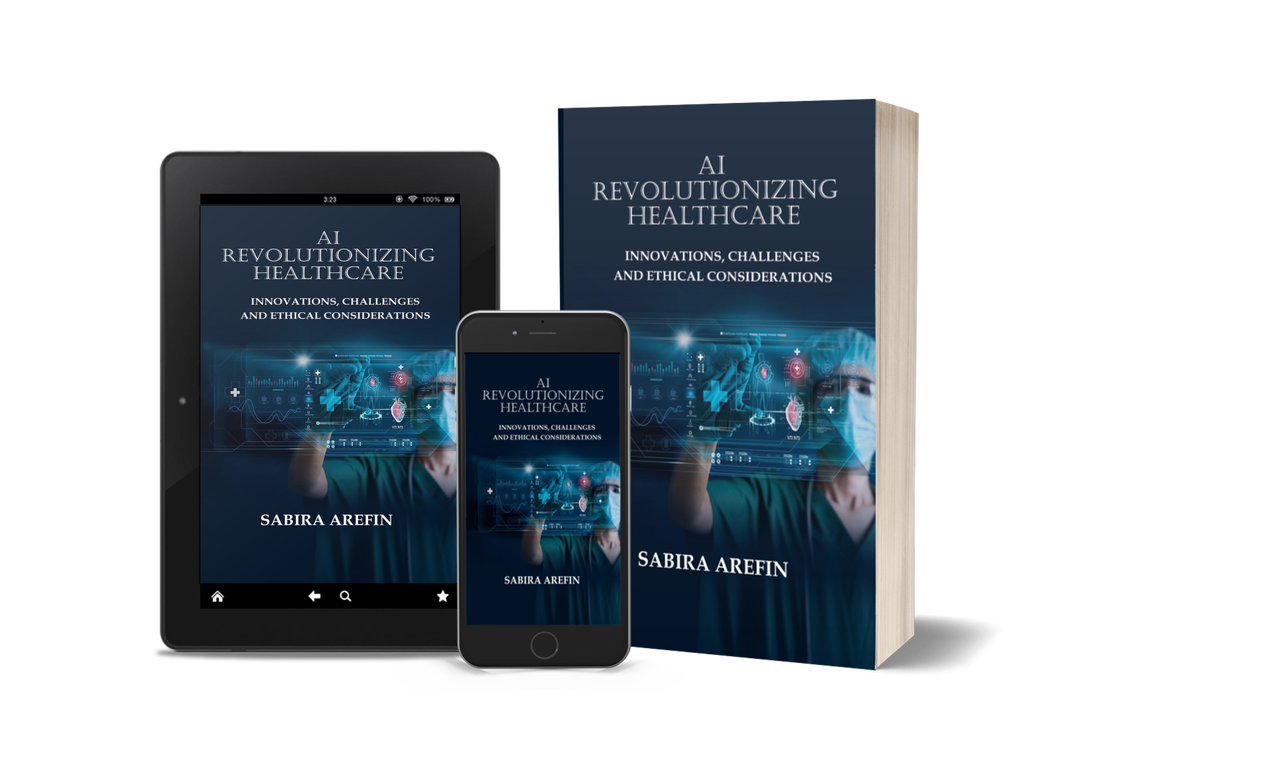
In the ever-evolving landscape of healthcare, one technological marvel stands out for its potential to revolutionize the industry: artificial intelligence (AI). From streamlining administrative tasks to enabling more accurate diagnoses and personalized treatments, AI is reshaping the way healthcare is delivered and experienced. In "The AI Revolutionizing Healthcare," authored by Sabira Arefin, readers are taken on a journey through the promises, challenges, and ethical considerations surrounding AI in healthcare.
Unveiling Groundbreaking Innovations
At the heart of the AI revolution in healthcare lies a myriad of groundbreaking innovations that are poised to transform medical practice. Diagnostic tools powered by AI algorithms are capable of analyzing vast amounts of patient data with unprecedented speed and accuracy, leading to earlier detection of diseases and more tailored treatment plans. For instance, machine learning algorithms can sift through medical imaging scans to identify anomalies that might escape the human eye, assisting radiologists in making more informed decisions.
Moreover, AI-driven predictive analytics are enabling healthcare providers to anticipate patient needs and intervene proactively, thereby preventing adverse health events and improving outcomes. By analyzing patient data, including demographics, medical history, and lifestyle factors, AI algorithms can identify individuals at high risk of developing certain conditions, allowing for targeted interventions such as lifestyle modifications or preventive screenings.
Furthermore, AI-powered virtual assistants and chatbots are enhancing patient engagement and access to care by providing round-the-clock support, answering inquiries, scheduling appointments, and even delivering personalized health advice. These virtual companions not only alleviate the burden on healthcare staff but also empower patients to take control of their health and well-being.
Navigating Challenges
Despite the immense potential of AI in healthcare, its widespread adoption is not without challenges. One significant obstacle is the interoperability of healthcare systems and data silos, which hinder the seamless exchange of information necessary for AI algorithms to deliver meaningful insights. Standardizing data formats and protocols across healthcare organizations is crucial to overcome this barrier and unlock the full potential of AI-driven solutions.
Moreover, ensuring the accuracy, reliability, and fairness of AI algorithms is paramount to prevent unintended consequences and mitigate bias. AI models trained on biased or incomplete data may perpetuate disparities in healthcare delivery, disproportionately affecting marginalized populations. Therefore, rigorous validation and continuous monitoring of AI systems are essential to uphold ethical standards and promote equitable healthcare access for all.
Additionally, the integration of AI into clinical workflows requires careful consideration of human-machine collaboration dynamics. While AI algorithms can augment healthcare professionals' decision-making capabilities, they should not replace human judgment entirely. Maintaining a balance between automation and human oversight is critical to preserve the human touch in patient care and uphold trust in the healthcare system.
Ethical Considerations
As AI technologies become increasingly intertwined with healthcare delivery, ethical considerations come to the forefront. One pressing concern is the protection of patient privacy and data security in the era of AI-enabled healthcare. Safeguarding sensitive medical information from unauthorized access and ensuring compliance with data protection regulations are paramount to maintain patient trust and confidentiality.
Furthermore, the ethical use of AI in clinical decision-making raises questions about accountability and transparency. Healthcare providers must be transparent about the limitations of AI algorithms and ensure that patients are informed participants in their care journey. Additionally, mechanisms for recourse and redress should be established in cases where AI-driven decisions lead to adverse outcomes or harm.
Moreover, the potential for AI to exacerbate existing healthcare disparities underscores the importance of addressing equity concerns in algorithm development and deployment. Proactively identifying and mitigating biases in AI systems, as well as promoting diversity and inclusivity in data collection and model training, are essential steps toward achieving fairness and justice in healthcare delivery.
Conclusion
In conclusion, the convergence of artificial intelligence and healthcare holds immense promise for improving patient outcomes, enhancing operational efficiency, and advancing medical research. However, realizing the full potential of AI in healthcare requires addressing various challenges and navigating complex ethical considerations. By fostering collaboration among stakeholders, embracing transparency and accountability, and prioritizing equity and inclusivity, we can harness the transformative power of AI to create a more accessible, equitable, and patient-centered healthcare system for all.
Sabira Arefin's "The AI Revolutionizing Healthcare" serves as a timely guide for healthcare professionals, policymakers, and enthusiasts alike, offering valuable insights into the opportunities and challenges presented by AI in healthcare. As we embark on this journey toward a future where technology serves the best interests of patients and practitioners alike, let us remain vigilant in upholding ethical principles and fostering innovation that truly benefits humanity.